
The "Living Legacy" Blueprint: Why 2026 Couples are Designing Their Homes as Emotional Time Capsules
For decades, interior design was about aesthetics—matching the right shade of "greige" with the trendiest minimalist sofa. But in 2026, a profound shift has occurred. At AiTotul, we’ve identified a growing movement we call the "Living Legacy" Blueprint.
Couples are no longer designing for the "resale value" of their homes; they are designing for the emotional durability of their relationships. This is architectural psychology in its most intimate form: the home as a living, breathing time capsule of a partnership.
1. Neuro-Aesthetic Anchoring
In 2026, we understand that our environment dictates our brain chemistry. "Neuro-aesthetic anchoring" is the practice of integrating specific objects that trigger positive relational memories into the high-traffic areas of the home.
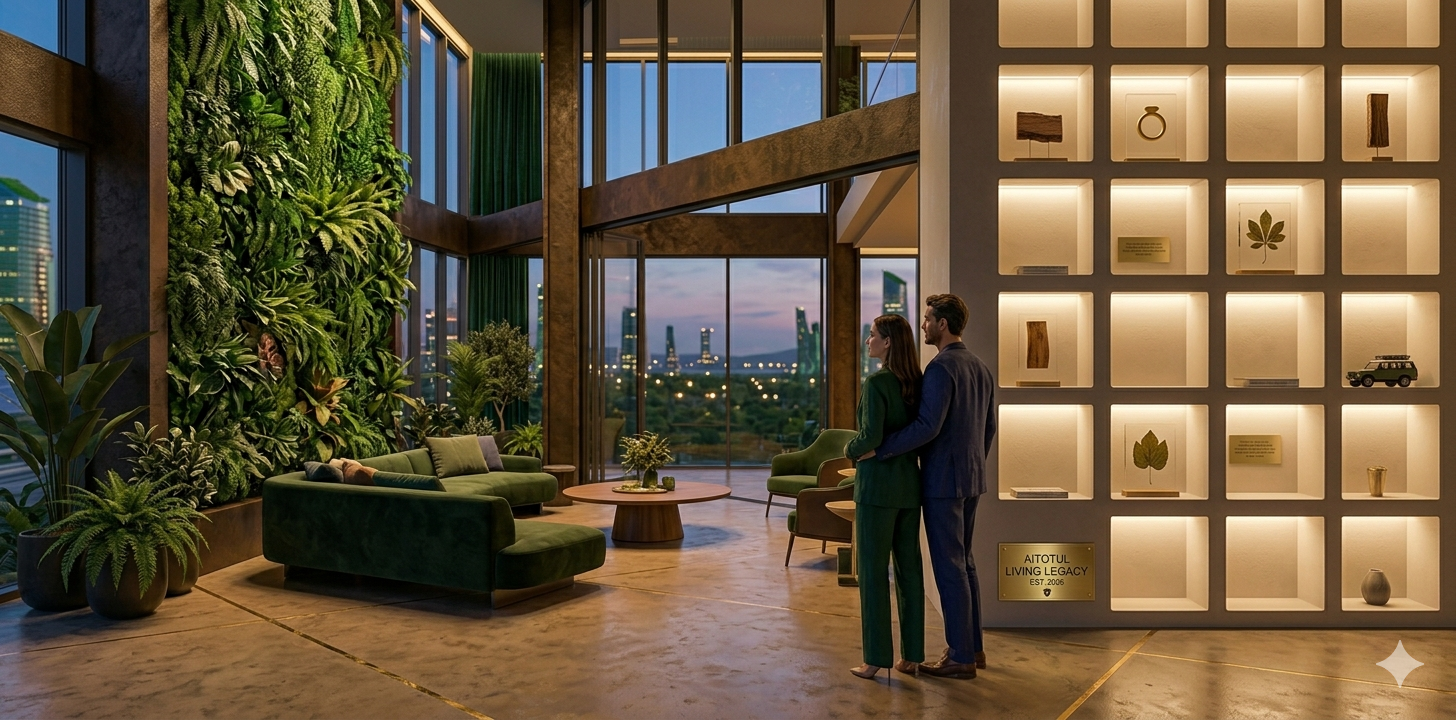
Instead of a generic gallery wall, couples are installing Memory Niches—recessed, backlit spaces designed to hold a single, high-impact item: a stone from a 2024 sabbatical, a dried flower from a first anniversary, or a hand-written vow etched into glass. These aren't just decorations; they are neurological resets that remind the couple of their "why" during moments of domestic friction.
2. The Rise of 'Adaptive Ritual Spaces'
The open-concept floor plan is being replaced by Adaptive Ritual Spaces. These are areas of the home that can be physically transformed to suit the emotional needs of the moment.
The Reflection Cove: A sound-proofed corner with adjustable haptic seating, used for weekly "State of the Union" check-ins.
The Tech-Fast Pantry: A dedicated cabinet with a timed lock where all devices are placed during dinner, ensuring the "Digital Vow" is maintained.
The Transition Foyer: A sensory-focused entrance designed to help partners shed their professional personas before entering the private sanctuary of the home.
3. Biophilic Symbiosis: Growing Together
Sustainability in 2026 has moved beyond solar panels. Couples are now investing in Shared Living Walls—vertical indoor gardens where specific plants are added to mark major life milestones. Planting a new orchid for a promotion or a rare fern for a personal breakthrough creates a literal, living map of growth. The act of co-parenting these plants serves as a low-stakes training ground for shared responsibility and nurturing.
4. The 'Acoustic Signature' of the Home
One of the most unique trends of the 2026 Living Legacy movement is the Acoustic Signature. High-end homes are being fitted with discreet, ambient recording tech that allows couples to "capture" the soundscape of a happy Sunday morning—the clinking of coffee cups, soft laughter, the hum of the city. These "sound-bites" are archived in the home’s smart system, playable on demand years later to re-immerse the couple in the feeling of their younger selves.
5. Building for the 'Future Self'
The Living Legacy Blueprint asks a vital question: Who will we be in ten years? Couples are now working with "Life Architects" to ensure their space can age with them. This includes:
Modular Infrastructure: Walls that can be moved as children arrive or leave.
Universal Design: Hidden accessibility features (like curbless showers and reinforced walls) that look like high-end luxury but ensure the couple can stay in their "Sanctuary" well into their golden years.
Conclusion: Your Home as a Vow
At AiTotul, we believe that in 2026, a home should be more than a shelter; it should be a testament. By intentionally designing spaces that facilitate connection, honor history, and adapt to growth, you aren't just building a house—you are building a Living Legacy.